The Early Birds Get the Vintage: Inside Britain’s Gen-Z Car Boot Rush
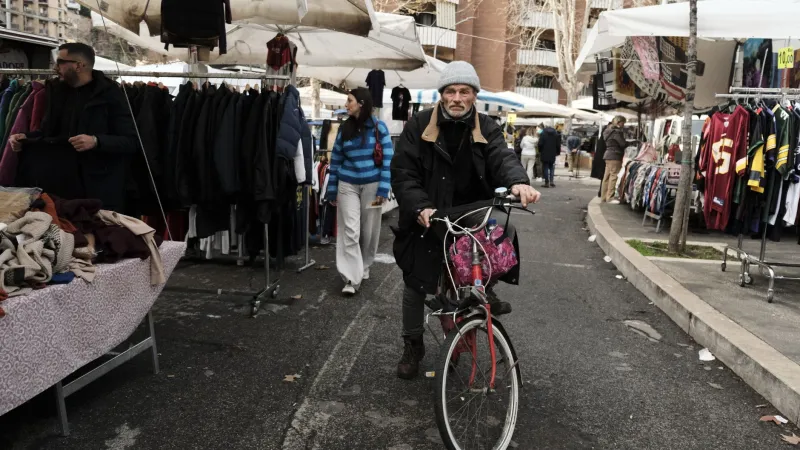
At 5:08am, the sky over Kempton Park is the colour of unwashed denim. A queue of hatchbacks idles by the gate, boots half-open, thermos cups steaming. This is not a festival. It is not a flight to Ibiza. It is a car boot sale, and the crowd is younger than you think.
A woman in her early twenties leans against a Fiat Punto, wearing a cropped fleece and the expression of someone who has already won something. She has been here since 4:45am. “I’m looking for a leather jacket, a lamp and maybe a mid-century ashtray,” she says. “Not all at once. I’m flexible.”
The new Saturday night, eight hours early
For decades, the British car boot sale has been filed under ‘Sunday morning, older crowd, slightly damp’. In 2026, it is being refiled. Under-35s are turning up in numbers, not just to buy but to sell, browse, eat breakfast and stand around talking rubbish in a field. Think of it as a third space with better parking and worse coffee.
“It’s a night out that ends before brunch,” says Tom, 27, a buyer from south London who is currently holding a vinyl copy of a Fleetwood Mac album and a ceramic frog. “You get the buzz of a market, the chat of a pub, and you’re home by 10. I’ve spent more on a round of drinks than I have on a whole morning here.”
The appeal is partly financial — car boot sales are cheap theatre — but it is also tactile. In a world of algorithmic shopping and next-day delivery, there is something seductive about picking up a chipped teapot, turning it over, and deciding it is worth £2. The unpredictability is the point. You cannot search for a 1970s coffee grinder and find one in a warehouse in Slough. You have to be there, early, and lucky.
Treasure hunt, but make it content
Social media has changed the rhythm of the boot sale. Sellers post previews on Instagram Stories the night before — a rail of Y2K knitwear, a box of vinyl, a suspiciously good lamp. Buyers message to ask if they can reserve. Some sellers now accept contactless, though cash is still king and a fiver in coins is the real currency of the field.
The haggle has become a spectator sport. TikTok is full of first-person videos: hands sifting through a box of costume jewellery, a voice whispering ‘this is so good’, a quick negotiation over a denim jacket. The comments debate whether £12 was a fair price. The algorithm loves a haul.
But the etiquette is still being written. Filming a stranger’s stall without asking is not cool. Filming yourself paying £3 for a teapot is fine. There is a difference, and most young sellers know it. Maya, 24, sells vintage knitwear from a rail she assembles at dawn. “I put the best pieces on my Stories on Friday night,” she says. “Then people come specifically for them. But I still want the randomness. If someone turns up and finds something they didn’t know they needed, that’s better.”
Why they’re getting up
There are practical reasons. Rents are high, wages are flat, and the cost of a ‘proper’ day out has crept up. A car boot entry fee is usually a few pounds. Breakfast is a bacon roll and a coffee. The rest is optional.
There is also the sustainability factor. Buying secondhand is no longer a niche hobby; it is a default for many young shoppers. But the car boot sale offers something charity shops and resale apps cannot: the hunt. It is physical, social and mildly chaotic. You might spend an hour and find nothing. You might find a chair shaped like a hand. Both are valid outcomes.
Young sellers are using the car boot as a low-stakes shopfront. Some are clearing out wardrobes; others are testing a side hustle. “I made £180 before 9am,” says one seller, a 29-year-old from Croydon who is selling deadstock sportswear. “I’m not quitting my job. But it’s a good Saturday.”
The boots worth the trip
If you are going to set an alarm, set it for a sale that earns it. Kempton Park, on the edge of south-west London, is a reliable Sunday staple with a decent mix of vintage, furniture and food vans. Ford Airfield in West Sussex draws a serious crowd and rewards early arrivals. Bowlee, near Manchester, is a proper northern boot: big, brisk, and full of unexpected finds. Dundry, outside Bristol, has a loyal local following and views that make the 6am start feel less absurd.
Check listings before you go. Dates shift with weather, football fixtures and the occasional cancellation. Bring a tote, a fiver in coins, and low expectations. Wear layers. Park considerately. And if someone is selling a lamp shaped like a pineapple for £3, do not overthink it.
Field notes for first-timers
Arrive early, but not so early that you are standing in the dark with a stranger’s dog. Sellers set up from around 6am; buyers often start filing in at 7am. Haggle politely — ask ‘what’s your best?’ rather than offering half. Bundle items. Walk away if the price is silly. Come back later if you really want it.
Most of all, talk to people. The car boot sale is not a silent auction. It is a field full of small conversations. At 8:30am, the light turns gold, the coffee is hot, and someone is selling a set of mismatched teacups that would look excellent on your windowsill. That is the whole point. The early bird gets the vintage. The rest of us get a lie-in. But in 2026, the early bird is having more fun.