Kerbside Confidential: The Unwritten Rules of Britain's Bin-Day Social Scene
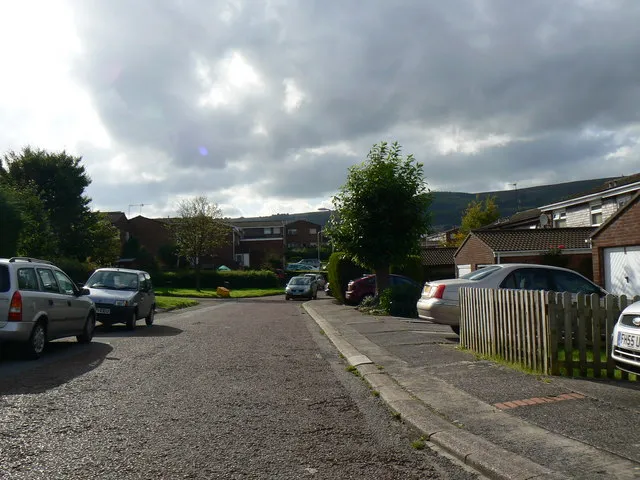
Photo: Colin Madge, CC BY-SA 2.0, via Wikimedia Commons
On a damp Tuesday in Leeds, a familiar sound ripples down a residential street: the low rumble of a wheelie bin being dragged across tarmac. Curtains twitch. A door opens. Someone in a dressing gown waves at someone in a hoodie, and for thirty seconds the street becomes a village again.
Bin day has always been a chore. In 2026, it is also a social event — arguably the most reliable one on the calendar. No RSVP, no dress code, no £14 negroni. Just you, your neighbours, and a shared anxiety about whether the recycling truck will accept a rinsed hummus tub.
The 6am rollout
Council websites may insist bins are out by 6am, but the real timetable is written by the street. There is the Early Adopter, who puts theirs out the night before with the quiet smugness of someone who has never missed a flight. There is the Last-Minute Sprint, a barefoot dash at 6:58am that unites the cul-de-sac in silent sympathy. And there is the Sentinel: the retired neighbour who knows the crew’s route, the bank-holiday reshuffle and the exact moment the lorry turns the corner.
“It’s the only time I speak to the man two doors down,” says Priya, 29, from Bristol. “We’ve got a whole relationship based on whether the garden waste is going out. I don’t know his name. I know his bin is called Gerald.”
Gerald, it turns out, has a hand-painted nameplate. So does a bin called Sheila in Sheffield and a bin called Big Dave in Cardiff. This is not unusual. Search online and you’ll find whole threads of people naming their wheelie bins, dressing them for Christmas and posting birthday tributes when a council finally replaces a cracked lid. It is silly, but it is also a form of neighbourhood storytelling — a small, daft way of saying: I live here, and I notice things.
The app is not the answer
Most councils now have an app. In theory, it tells you when to put your bin out. In practice, it is a portal to a small existential crisis: notifications that arrive after the lorry, a colour-coded calendar that looks like a Tube map, and a live map of collection rounds that is either wildly accurate or a work of speculative fiction.
One Manchester resident, Marcus, 34, admits he has the app, a paper calendar and a WhatsApp group called “Bin Business”. “It’s a logistics operation,” he says. “I’ve got a spreadsheet. I’m not proud.” The spreadsheet tracks which week is recycling, which is garden waste, and which is the mysterious third bin that nobody fully understands. “I think it’s for food waste,” he says. “But I’ve also seen a neighbour put a duvet in it. So who knows.”
The unwritten rules
Bin day has its own etiquette, passed down not through leaflets but through glances, sighs and the occasional passive-aggressive note taped to a lid. The first rule is simple: never fill a neighbour’s bin without asking. The second is equally sacred: rinse your containers. A stray ketchup sachet can contaminate an entire load, and the shame travels faster than the smell.
Then there is presentation. Handles facing the road. Lids fully closed. No side waste — that lonely extra bag left beside the bin like a plus-one who wasn’t on the list. And the return rule: once emptied, the bin should be brought back in within a respectable window. Leave it out for three days and you are no longer a resident; you are a cautionary tale.
“We notice everything,” says a waste collection crew member in the West Midlands, who asked not to be named. “The bins that are too heavy. The ones with the wrong stuff in. The streets where everyone waves and the streets where nobody does. You get a feel for a place by its bins.”
Britain’s most confusing bin rules
Ask five councils what goes in which bin and you’ll get six answers. Here is a short, entirely unscientific tour of the confusion:
- Clear bags vs. wheelie bins vs. boxes. Some councils want recycling loose in a bin. Others want it in clear bags. Others still want it sorted into a small plastic box that predators can tip over in the wind.
- No side waste. Extra bags are often refused, even if you’ve neatly stacked them. The bin is a vessel with a strict guest list.
- Contamination. One greasy pizza box can, in some areas, condemn a whole recycling round. The pizza box knows what it did.
- Garden waste subscriptions. In many councils, green bins are now paid-for. This has created a new social divide: the subscribed and the compost-curious.
- Battery fires. Batteries and vapes must never go in general waste. They cause fires in lorries and at waste plants. This is the one rule everyone should know, and the one most likely to be forgotten in a kitchen drawer.
- Three-weekly collections. Some areas have moved to fewer general waste pickups. Residents have responded with impressive feats of bin Tetris and a newfound respect for the phrase “squash it down”.
- Bank holiday shifts. A Monday collection after a bank holiday becomes a Tuesday, which becomes a Wednesday, and the whole street enters a low-level panic until someone checks the app.
Why it works
In a decade of digital everything, bin day is delightfully analogue. It is low-stakes, recurring and face-to-face. You don’t need to make plans or book tickets. You just need to be awake when the lorry arrives, or awake enough to nod at the person across the street who is also pretending not to check whether their bin has been emptied yet.
It is also a reminder that cities are made of small, shared routines. The bin crew who wave. The neighbour who brings your bin in while you’re away. The WhatsApp group that quietly warns everyone the collection has been cancelled. These are not grand gestures. They are the ordinary glue of a street.
So next time you hear that rumble, don’t roll your eyes. Put the kettle on, step outside, and say hello. You might not know your neighbour’s name. But you both know it’s recycling week.