The Digital Village Green: Britain’s Facebook Neighbourhood Groups Are 2026’s Best Reality Show
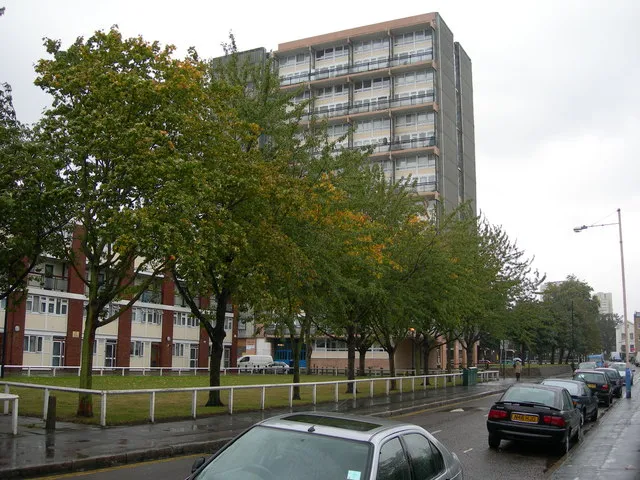
Photo: Danny Robinson, CC BY-SA 2.0, via Wikimedia Commons
At 7:42am, someone posts a blurry photo of a cat near the recycling bins. By 8:03am, five streets have a theory, two people have offered a lift to the vet, and one man has somehow turned it into a debate about parking. This is not a television script. It is Tuesday in a British hyperlocal Facebook group.
If you live in a town, suburb or city neighbourhood with more than three streets and at least one person who owns a ring light, there is probably a group for it. Maybe it is called something like “Our Manor — Community Hub” or “Coldharbour Lane & Proud (No Traders)”. Maybe it has 4,000 members and 11 admins, one of whom has a zero-tolerance policy on CAPS LOCK. Either way, it is doing something bigger than lost-and-found posts. It has become the digital village green: part noticeboard, part soap opera, part emergency helpline, part neighbourhood watch with a sense of humour.
A town square with a comment section
Hyperlocal Facebook groups are not new. They have been quietly ticking along since the late 2000s, accumulating members and petty grievances like moss on a garden wall. But in 2026 they feel less like a niche corner of the internet and more like the place where local life actually happens. The council notice gets posted there before the website updates. The pub quiz team gets assembled there. The missing cat gets found there, usually after someone says, “That’s not my cat, but I’ve seen one similar” approximately 47 times.
What makes them compelling is the blend. One minute someone is asking for a reliable plumber. The next, a photo of a broken gate sparks a 90-comment thread about who is responsible for the alleyway behind the Co-op. Then someone posts a genuinely lovely offer: a spare slow cooker, free to a good home, collection only. It is local news, local drama and local kindness in one endless scroll.
For younger residents, especially renters in their twenties and thirties who have moved to a new city and don’t yet know their neighbours’ names, the appeal is obvious. You can lurk for weeks, learn which takeaway is actually good, discover that the leisure centre does cheap swimming before 9am, and feel a low-level sense of belonging without having to knock on anyone’s door. It is social media doing what it was originally meant to do: connecting people who are already physically close to each other.
Meet the cast of characters
Every good group has a cast. There is the admin who runs it like a small, benevolent dictatorship — deleting duplicate posts, pinning the bin collection changes, and writing the occasional stern announcement that begins, “Right, folks.” There is the local historian who can date any building from a single brick. There is the person who replies “PM’d you” to every request and never publicly reveals the answer. And there is the unsung hero who maintains the running list of which supermarket has the yellow-sticker reductions on a Thursday.
Then come the recurring characters. The Bin Monitor, who knows the refuse schedule better than the council’s own app. The Lost Cat Cartographer, who can triangulate a missing tabby’s movements from three grainy doorbell clips. The Rogue Trader, who posts a suspiciously good deal on gutter cleaning and is immediately asked by six people whether they are insured. And the Kindness Instigator, who quietly organises food bank runs and lifts to hospital appointments with the efficiency of a small military operation.
These people are the reason the group works. They are not influencers. They do not have a content strategy. They are just neighbours who have decided to care, loudly and in public, about the place they live. In a country where local services are stretched and high streets can feel a bit quieter than they used to, that kind of micro-attention can be quietly powerful.
Why under-35s are logging on
There is a stereotype that Facebook groups are for people who call the local radio station to complain about potholes. And, to be fair, some of them absolutely are. But the under-35 crowd has discovered something unexpectedly entertaining about these spaces. A hyperlocal group is reality TV you can participate in. It has heroes, villains, running jokes and the occasional cliffhanger — usually involving a found dog and an unclaimed Amazon parcel.
It is also practical. When you are new to an area, the group is a cheat sheet for belonging. You learn the shorthand: which park has the good playground, which café lets you work on a laptop, which corner shop has the best selection of tinned tomatoes. You find out about the street party, the repair café, the yoga class in the church hall. You might even make a friend in the comments before you ever meet them at the bus stop.
And for those who feel a bit disillusioned with the algorithm, the local group offers something refreshingly small. The stakes are low. The drama is contained. The lost cat is usually found. It is the internet scaled down to street level, where the main character is not a celebrity but a man named Dave who has strong opinions about bin bags.
The kindness economy
It would be easy to focus on the feuds — and yes, there are feuds. There are threads about parking that go on longer than some marriages. There are passive-aggressive posts about dog mess that threaten to escalate into a full neighbourhood inquest. There are admins who have to step in and remind everyone that this is a community group, not a boxing ring.
But look closer and you will find a quieter economy of generosity. A request for a drill will get five replies within the hour. A family escaping a difficult situation will receive bags of clothes, toys and offers of furniture. Someone recovering from surgery will find a rota of dog walkers materialising in the comments. These are not grand gestures. They are the small, practical acts that make a neighbourhood feel less like a collection of buildings and more like a place where people are looking out for each other.
That is the part that keeps people coming back. Not the drama, although the drama is undeniably fun to read with a cup of tea. It is the sense that you are part of something local, something that exists beyond your own front door. In a world of global feeds and anonymous timelines, a Facebook group that knows which bin goes out on Tuesday is a strangely comforting thing.
How to be a good digital neighbour
If you are about to join your local group, a few rules of etiquette will serve you well. Search before you post — especially if you are looking for a lost cat, a plumber or the opening times of the tip. Avoid vaguebooking. Say thank you when someone helps. If you have a problem with a specific person, take it to direct messages rather than the public feed. And remember that the person on the other side of the screen is probably standing in their kitchen, just like you, wondering whether it is too early for a biscuit.
Do all that, and you might find that the digital village green is not just a place to lurk. It is a place to belong. Even if your only contribution is liking a post about a hedge that needs trimming, you are part of the daily soap opera now. Welcome to the neighbourhood.