Press for Pasta: Britain's Oddest Vending Machines Have Become Day-Trip Destinations

Photo: vending machine glowing at night on a UK street, via cdn.quotesgram.com
There's a particular noise a vending machine makes when it's about to change your mind. Not the clunk of a can dropping into the tray — the earlier one, the low electrical throat-clear before the mechanism commits. For about two seconds you have no idea whether you're getting dinner, a record, or a small quantity of cheese. It is, in a country that has otherwise automated away most of its surprises, one of the last genuine gambles available for under a fiver.
That feeling is why people are now making trips for them. Not to the machine down the corridor at work, obviously — but to the ones that have quietly turned into landmarks. The farm-track milk dispensers. The pasta kiosks humming outside a railway arch at eleven at night. The one in a Nottingham record shop that hands over a seven-inch single you didn't choose. Nobody is calling these attractions. They're just going, and then telling everyone.
It started with a milk machine and a bit of curiosity
The raw milk dispenser is arguably the patient zero of the whole thing. Dairy farms — Cumbria, Devon, the Yorkshire Dales, plenty of places in between — installed them as a way of selling direct without staffing a shop. Bring your own bottle, pay by card, fill up. Functional.
Except it isn't, is it. Because a milk machine at the end of a farm track at golden hour is, to a certain type of urban thirty-something with a car-share membership, an event. There are people who will drive forty minutes for the bottle and the photograph of the bottle. The farmer gets a cut of the retail price instead of the wholesale price, the visitor gets a story, and a lane in the middle of nowhere gets a small, tidy stream of traffic on a Sunday.
"People take pictures before they even use it," says the woman who restocks a flower dispenser outside a Cardiff convenience store. "I've watched grown adults pose next to it. It's a fridge with a card reader." She sounds fond rather than baffled. "But it's never empty. Never."
Pasta at midnight, vinyl at noon
The current crop of machines splits roughly into three camps.
First, the useful ones — the ones that exist because a shop can't stay open. A 24-hour fresh pasta dispenser near a cluster of late-night venues does a roaring trade in the precise demographic that has just left a gig and cannot face a kebab. Cheese from a farm shop in Cheshire. Bread from a bakery that gave up on the 6am queue and let a machine handle it.
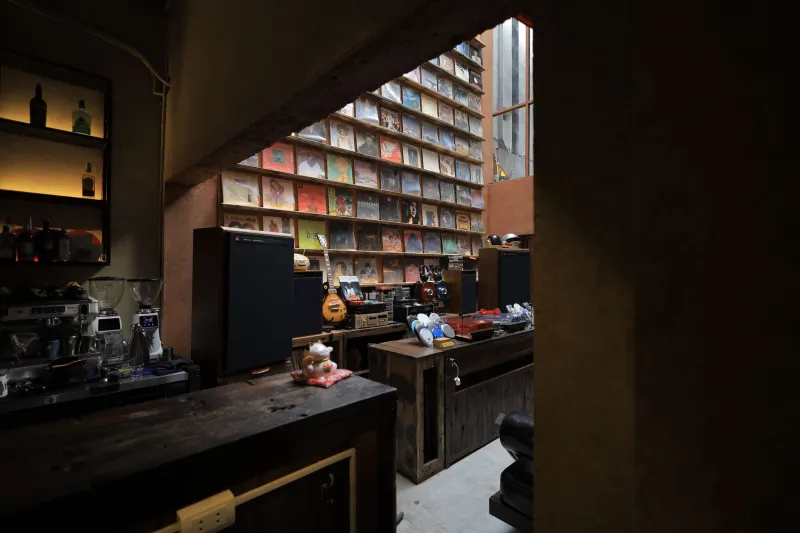
Second, the curated ones: the vinyl vending machine in a record shop, the dispensers of small artworks, the ones selling zines and enamel pins and other objects that exist to be looked at before they exist to be owned. These are less retail than they are a kind of mechanical display cabinet. The machine isn't selling you a thing; it's selling you the idea of the thing at 3am.
Third — and this is where it gets interesting — the absurd ones. Dog treats in a village with more spaniels than residents. A dispenser of single flowers. Whatever it is that machine in Margate sells, which nobody has satisfactorily explained to me and which I have therefore decided not to question.
Why we're treating kiosks like landmarks
Part of it is that everything else has been smoothed out. High streets look the same from Land's End to the Scottish Borders: the same three chains, the same grey paving, the same slightly sad planter. A vending machine that sells raw milk and nothing else is specific. It could not be anywhere. That's the appeal.
The other part is cheaper and more obvious: it's a free thing to do. You can look at a vending machine without buying from it. You can photograph it, post it, and move on. The British day out has been quietly restructured around things that cost nothing to visit and something small to participate in — which is also why we've all become very interested in benches, micro-museums and strange little streets.
There's a practical upside for the operators too. A machine on a farm track has no rates in the way a shop does, no rota, no staffing crisis. It has a card reader and a phone number for when it jams. In a decade of brutal retail maths, that's not a novelty — it's one of the few routes to market that still works at small scale.
A short etiquette for the modern pilgrim
Because this is Britain, and because we cannot simply enjoy something without codifying it:
- Buy something. It is not a sculpture. It is a business. A photograph and a walk away is a bit rude.
- Bring the right bottle. Signs say this. Signs are ignored. The farm track knows.
- Don't queue for the photo. There is a person behind you who actually wants milk.
- Tell someone. The entire economy of these machines runs on word of mouth and one well-angled photo. That's the marketing budget. There isn't another one.
What we're really doing, I think, when we drive to a lay-by for a litre of milk and a bit of theatre, is looking for a version of the country that hasn't been homogenised yet. A machine that only exists in one place, dispensing one thing, badly or beautifully or both. It's a low bar. It's also weirdly hard to clear. Which is exactly why it's worth the trip.