The Rental Remedy: How Borrowed Gear Became the UK’s Best Gateway to a New Obsession
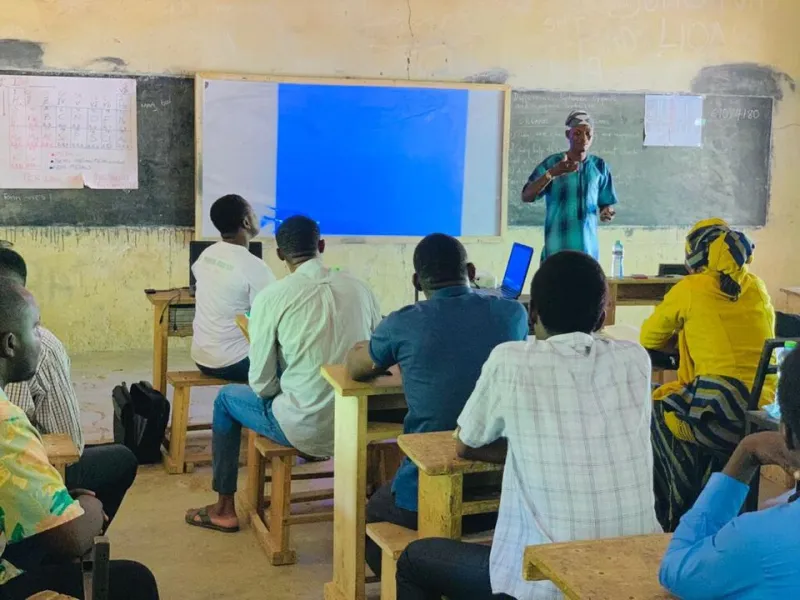
Photo: Alhassan Mohammed Awal, CC BY-SA 4.0, via Wikimedia Commons
There is a particular kind of fatigue that comes from being sold a lifestyle before you’ve had a chance to try it. You see a beautiful film camera on a mood board, a set of matching mending tools in a video, a DJ controller in someone’s perfectly lit front room. Then you look at your bank balance, your storage cupboard and your track record of abandoned hobbies, and you close the tab. In 2026, a growing number of UK clubs and pop-ups are offering a different route: borrow the kit, try the thing, see how it feels before you commit.
The end of the gear-first hobby
Hobbies have become expensive to enter. Analog photography needs a camera, film, processing and patience. Sewing needs a machine and a surface you don’t mind ruining. DJing needs decks, headphones and neighbours who are very understanding. Even a simple craft project can turn into a £70 online basket before you’ve made anything. The result is a familiar cycle: interest, research, purchase, guilt, cupboard.
Try-before-you-love clubs interrupt that cycle. They separate the experience from the equipment. You don’t need to own the camera to spend an afternoon learning about light. You don’t need a workshop to mend a jacket. You don’t need to build a home studio to find out whether beatmatching makes your brain light up or makes you want to lie down. The point is not to avoid spending money forever. The point is to spend it after you know what you actually enjoy.
Four ways Britain is borrowing joy in 2026
Analog photography libraries. These are exactly what they sound like: film cameras you can borrow, often with a short induction, a roll of film and a friendly nudge towards a local lab. Some are run by community photography groups, some by libraries, some by studios with a shelf of underused cameras. It’s a low-risk way to find out if you love the waiting, the grain and the cost of getting it slightly wrong.
Mending circles. These are less about perfectly invisible repairs and more about learning in company. You bring a holey jumper, a torn tote or a pair of jeans with a story, and someone lends you a needle, a patch or the confidence to have a go. Many have a shared sewing machine or two. The ethos is practical, sociable and quietly radical in a culture that tells you to replace things.
Beginner DJ sessions. Community spaces, record shops and youth centres are running taster sessions where you can try controllers and headphones without buying a set-up. The best ones are not about looking cool; they’re about learning the basics, making a mess and discovering whether you actually enjoy the craft of selection. You might leave with a new hobby. You might leave knowing it’s not for you. Both are useful outcomes.
Community tool swaps. Tool libraries and swap schemes let you borrow a drill, a ladder, a sewing machine or a sander for a project rather than buying one for a single afternoon. They’re practical, sustainable and weirdly good for neighbourliness. The same principle applies to hobby kit: why should five people own the same expensive thing they use twice a year?
Why borrowed kit feels better than owning
Part of it is money, obviously. But the deeper appeal is space: mental and physical. Under-35s are renting flats, moving more often and living with the low-level awareness that another object will eventually have to be carried down a stairwell. Borrowing a hobby means you get the curiosity without the custody. It also means you can test an identity before you make it part of your home. That sounds grand, but it’s really just sensible. You wouldn’t buy a dog after one nice walk. Why buy a loom after one nice afternoon?
There’s a social layer too. A club gives the hobby a context. You learn from someone who has already made the mistakes, you meet people who are also beginners, and you get the little thrill of being in a room with a shared purpose. That is often the part people actually want. The gear is just the excuse.
The etiquette of borrowing a hobby
Borrowed joy comes with small responsibilities. Book ahead and show up. If you can’t make it, cancel so someone else can. Treat the kit better than you’d treat your own. Ask before you borrow something that isn’t on offer. Don’t hog the one working machine. Share what you learn. And if a session is free, ask whether there’s a donation jar, a membership or a way to help. Community-run clubs are not free to run, even when they feel effortless.
There’s also a softer etiquette: don’t arrive expecting a full service. These spaces often run on volunteers, goodwill and someone’s spare Saturday. Bring patience. Bring a snack if it’s that kind of group. Bring the willingness to be a beginner in public, which is sometimes the hardest kit to borrow of all.
How to find one near you in 2026
Start local rather than algorithmic. Check library noticeboards, community centres, repair cafés, makerspaces and independent record shops. Search for terms like ‘camera library’, ‘mending circle’, ‘repair café’, ‘tool library’, ‘beginner DJ workshop’ and ‘community workshop’ alongside your city or borough. Event listings and local Instagram accounts are useful, but the best finds are often on a piece of A4 behind a till. Ask in shops that feel like they know what’s going on. Ask the person who fixes things. Ask the library.
The catch
Borrowing is not always simple. Waiting lists exist. Insurance can be fiddly. Some clubs are free, some charge a small fee, some ask for a deposit. A taster session will not make you an expert. But that’s the point. The rental remedy is not about getting something for nothing. It’s about lowering the cost of curiosity. In a culture that loves a new purchase, borrowing a hobby for an afternoon might be the most refreshing thing you do this year.