The Aisle Awakens: Why Britain’s Corner Shops Are Becoming Curation Stations
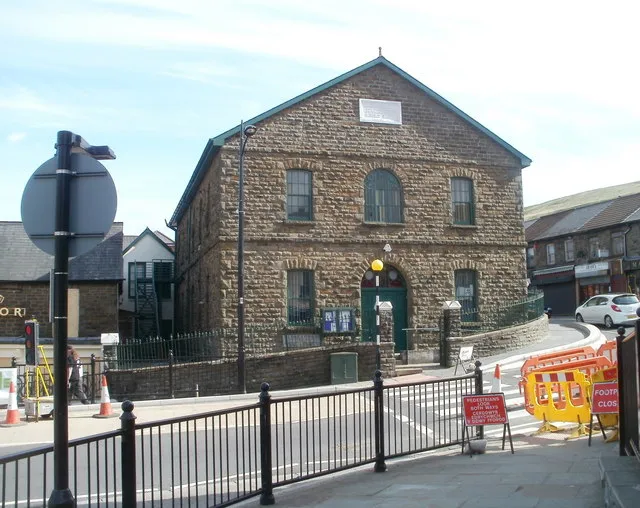
Photo: Jaggery, CC BY-SA 2.0, via Wikimedia Commons
Walk into the right corner shop in 2026 and the milk run becomes a tasting menu. You went in for semi-skimmed and a pack of digestives; you come out with a yuzu soda from a small-batch maker in Margate, a bag of crisps flavoured with something you can’t pronounce, and a photocopied zine about local bus routes. The corner shop has always been useful. Now, quietly, some of them are becoming taste-makers.
The new tastemakers are behind the till
The shift is less about fancy fixtures and more about point of view. A great corner shop used to be judged on whether it had everything you needed at 11pm. The new wave is judged on what it chooses not to stock. Shelves are shorter, stranger and more deliberate: a fridge with six obscure kombuchas instead of twenty identical colas, a basket of cult hot sauces, a rack of neighbourhood zines next to the lighters. It is curation disguised as convenience.
For young urban readers, that matters. Supermarkets are brilliant at selling the same things everywhere. Independent shops are brilliant at selling a sense of place. When the person behind the counter can tell you why the plum and chilli crisps are worth £3.20, or which local maker dropped off a new batch of chilli oil on Tuesday, the shop stops being a pit stop and starts being a recommendation engine with a door.
Five corner-shop archetypes worth a detour
The chiller-aisle archivist. This is the shop with a drinks fridge that reads like a mixtape. Small-batch sodas, weird tonics, local ciders, maybe a kombucha that tastes like a garden centre. The owner knows what’s new, what’s gone viral and what’s actually nice. Ask what they’d take home for themselves. The answer is usually better than the label.
The crisp sommelier. Every neighbourhood deserves one. This shop treats crisps like wine: regional producers, limited flavours, a rotating cast of strange salt-and-vinegar experiments. If there’s a handwritten card explaining why the prawn cocktail crisps are ‘the good ones’, you’re in the right place.
The zine corner. A tiny rack by the counter, usually next to the lottery tickets, filled with local photography zines, football fanzines, poetry pamphlets and listings for things you didn’t know were happening. It’s the most analogue form of social media in Britain, and it’s better for your attention span.
The condiment library. Hot honey, fermented chilli, brown sauce with a backstory, a mustard that costs more than your lunch. These shops don’t just sell sauce; they sell the thrill of upgrading a boring dinner. Ask for the one they put on everything. Then buy it.
The late-night larder with a point of view. This is the hardest to pull off: a shop that stays open late but still has taste. It stocks the emergency essentials, yes, but also a surprising amount of good stuff. The tell is the noticeboard by the door. If it’s advertising a local DJ night, a repair café and a lost cat called Bernard, you’ve found a community hub with a till.
How to spot a great one before you’ve bought anything
You don’t need a review. You need a quick scan. Handwritten shelf labels are a good sign. So is a short but deep range: fewer brands, more stories. Look for local maker names, refill jars, a noticeboard that isn’t six months out of date, and staff who look like they actually eat the things they sell. A brilliant corner shop often feels slightly too specific to be accidental.
Also, check the fridge. If the drinks selection looks like it was chosen by a person rather than a spreadsheet, you’re onto something. And if there’s a basket of weird crisps by the counter, approach with respectful curiosity.
What to ask behind the counter
Keep it light. Nobody wants an interrogation while they’re restocking the Dairy Milk. Try: ‘What’s the strangest thing you’ve sold this week?’ ‘What do locals buy twice?’ ‘Which one would you take home?’ ‘Is there anything in here from someone nearby?’ ‘What’s the crisp ranking?’ These questions open up a conversation without turning the shop into a focus group. Shopkeepers who care about their shelves usually love a chance to talk about them.
The etiquette bit
A curated corner shop is not a museum. Buy something, even if it’s small. Don’t photograph the shelves without asking, especially if you’re planning to post it. Respect the queue. Don’t treat the person behind the counter like a search engine with legs. And if they recommend something, take the recommendation seriously. The whole point is that taste is being passed person to person, not served by an algorithm.
Why it matters
Britain’s high streets are often described in terms of what they’ve lost. The corner-shop curators are a reminder of what can still be built in a small space: a local point of view, a low-stakes way to discover something new, and a shop that feels like it belongs to a particular street rather than a spreadsheet. In 2026, the best souvenir of a neighbourhood might be a can of something weird and a bag of crisps you can’t find anywhere else. Not bad for a milk run.